

U.S. Warns EU of Potential LNG Supply Diversion Over Methane Rules
Saturday, June 27, 2026 by Morgan S. Verity
http://www.products.news/2026-06-27-us-warns-eu-potential-lng-supply-diversion.html
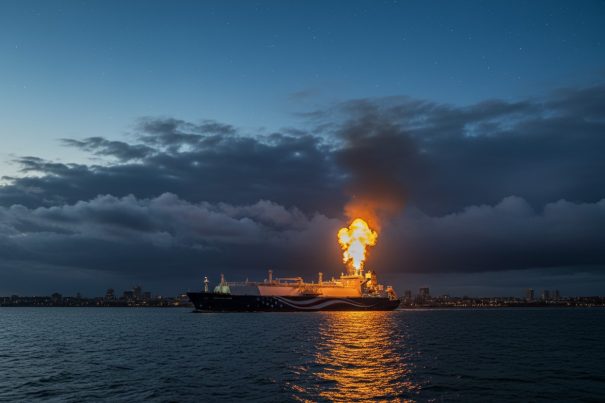
Energy Secretary Says U.S. Exports Could “Flow Somewhere Else”
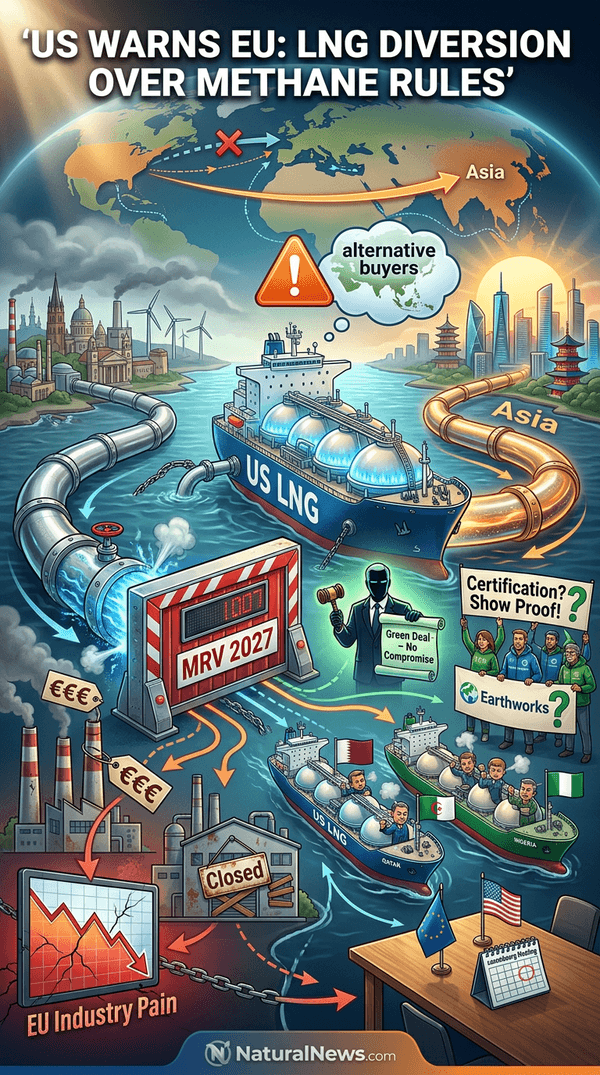
U.S. Energy Secretary Chris Wright warned that American liquefied natural gas (LNG) could be diverted from Europe if Brussels does not revise planned methane emissions regulations, according to a Bloomberg interview reported by RT. Wright stated that without “meaningful reform” of the rule, Europe would face “serious pain.” The regulation, set to take effect in 2027, requires imported gas to meet strict methane monitoring, reporting, and verification standards comparable to those for EU producers.
“Without a meaningful reform of that rule, it is going to cause serious pain into Europe and that’s unnecessary,” Wright said, according to the report. He added that U.S. exports would “flow somewhere else” if the EU refused to change the rules. The warning marks a public escalation of tensions between Washington and Brussels over energy trade and climate policy.
EU Became Heavily Dependent on U.S. LNG After Ukraine Conflict
The EU replaced much of its Russian pipeline gas with American LNG following the escalation of the conflict in Ukraine in 2022 and the imposition of sanctions on Moscow, making the U.S. the bloc’s largest external gas supplier, according to officials cited in the report. EU leaders had hailed the shift as a step toward greater energy security. However, gas and electricity prices have since soared to record highs, and the bloc’s industrial base has faced severe strain, as noted in analyses of Europe’s deteriorating energy position [1].
The warning from Washington marks a reversal of roles. Before abandoning most Russian gas imports, Western governments frequently accused Moscow of using energy exports as a geopolitical tool, a charge the Kremlin consistently denied. Now, with Europe heavily dependent on American LNG, Washington is openly linking future gas supplies to changes in EU policy. The standoff highlights what analysts describe as a growing willingness by the U.S. to leverage its dominant position in Europe’s energy market.
Exporters Urge EU to Amend or Delay Methane Legislation
The U.S. has joined Qatar, Algeria, and Nigeria in urging the EU to change or postpone the rules, arguing compliance is impractical due to the decentralized nature of U.S. gas infrastructure, according to the RT report. Exporters claim uncertainty over potential penalties is already discouraging long-term contracts with European buyers. The American Petroleum Institute has previously called for rolling back climate regulations to bolster domestic energy production [2].
EU Energy Commissioner Dan Jorgensen rejected calls to weaken the legislation, insisting the bloc would not compromise its environmental standards despite supplier pressure. The dispute underscores the tension between climate goals and energy security, a conflict that has become more acute as Europe’s Green Deal faces increasing criticism from within and outside the bloc [3]. Meanwhile, the reliability of “certified gas” programs intended to measure methane emissions has been questioned by groups such as Earthworks and Oil Change International [4], further complicating the debate.
EU Energy Ministers Discuss Standoff at Luxembourg Meeting
EU energy ministers were scheduled to discuss the issue at a meeting in Luxembourg, according to officials cited in the RT report. The meeting came as Europe grapples with record energy prices and the aftermath of geopolitical shocks that have upended its energy supply chain. The dispute highlights Europe’s dependency on a single supplier and the leverage Washington now holds over EU energy policy.
No immediate resolution was reported, and both sides maintained their positions. The standoff adds to the list of challenges facing the EU, which has also seen its own internal climate targets watered down amid economic pressures [5]. The outcome of the discussions is expected to affect future LNG contract negotiations and the EU’s efforts to diversify its energy sources beyond both Russia and the United States.
Implications for Transatlantic Energy Relations
The standoff signals a growing willingness by the U.S. to use its dominant position in Europe’s energy market, according to analysts cited in the RT report. The outcome could affect future LNG contract negotiations and EU efforts to diversify energy sources beyond both Russia and the United States. The dispute underscores the tension between climate goals and energy security in transatlantic trade.
European energy giants have already scaled back investments in renewable projects, refocusing on oil and gas due to profitability and market demands [6]. The global trend toward gaseous fuels described by Robert Bryce in “Power Hungry” suggests that natural gas will remain central to the energy mix for decades [7]. However, the current impasse may accelerate Europe’s search for alternative suppliers, even as the U.S. continues to expand its LNG export capacity under the Trump administration’s deregulatory agenda [8].
References
- “Germany’s Chemical Reckoning: How Europe is Dismantling its Industrial Core.” WattsUpWithThat. February 4, 2026.
- NaturalNews.com. “Leading oil and gas trade group in the U.S. urges Trump to ditch Biden climate policies.” November 15, 2024.
- Mohamed Moutii. “Europe’s Green Deal Is Unraveling.” ZeroHedge. May 15, 2026.
- Kenny Stancil. “Big Oil’s Fracked Gas Certification Program a ‘Certified Disaster,’ Groups Allege.” ChildrensHealthDefense.org. April 20, 2023.
- “Europe’s Last-Minute Climate Scramble: Brussels Waters Down Its 2040 Target Just in Time for COP30.” WattsUpWithThat. November 5, 2025.
- Willow Tohi. “Big Oil returns to core strengths retreats from green energy investments as climate agenda loses steam.” NaturalNews.com. January 2, 2025.
- Robert Bryce. “Power Hungry: The Myths of Green Energy and the Real Fuels of the Future.”
- Willow Tohi. “DRILL BABY DRILL WORKED U.S. oil hits all time high as Trump dismantles Bidens war on fossil fuels.” NaturalNews.com. August 21, 2025.
Explainer Infographic
Tagged Under: Tags: chaos, Chris Wright, electricity, Emissions, energy, Europe, geopolitics, LNG, methane, national security, power, regulations, sanctions, Ukraine war, WWIII
Get Our Free Email Newsletter
Get independent news alerts on natural cures, food lab tests, cannabis medicine, science, robotics, drones, privacy and more.
Your privacy is protected. Subscription confirmation required.
Get Our Free Email Newsletter
Get independent news alerts on natural cures, food lab tests, cannabis medicine, science, robotics, drones, privacy and more.
Your privacy is protected. Subscription confirmation required.
RECENT ARTICLES

Chili Crisp Craze: Experts Explain Addictive Appeal and Place in Healthy Diet
U.S. Warns EU of Potential LNG Supply Diversion Over Methane Rules

Iranian officials reject America’s GMOs, pledge not to use frozen funds on American agricultural products

Apple Raises Prices on Products, Citing Rising Chip Costs


Get Our Free Email Newsletter
Get independent news alerts on natural cures, food lab tests, cannabis medicine, science, robotics, drones, privacy and more.
Subscription confirmation required. We respect your privacy and do not share emails with anyone. You can easily unsubscribe at any time.
Get the world's best independent media newsletter delivered straight to your inbox.

x
By continuing to browse our site you agree to our use of cookies and our Privacy Policy.